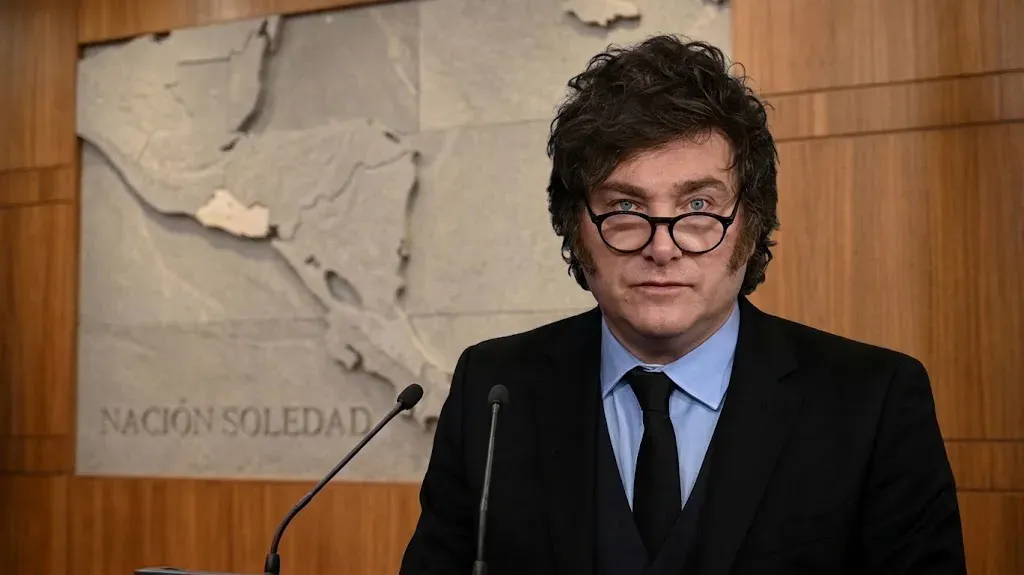
Argentina drops investigation into Milei over crypto fraud
A criminal investigation into Argentine President Javier Milei and his sister, Karina Milei, over their alleged links to a cryptocurrency scandal has been dismissed by a federal judge.
The case was dropped by federal judge Marcelo Martinez de Giorgi at the request of prosecutors, according to court records.
The investigation centred on the cryptocurrency $Libra, which surged in value after Milei mentioned it in a social media post in February 2025 before collapsing within hours and leaving many investors with significant financial losses.
Milei has denied promoting the cryptocurrency, maintaining that he acted in good faith when sharing information about the newly launched digital token. He has yet to comment on the decision to dismiss the case.
In his ruling, Martinez de Giorgi said the reported events did not fall within a recognised legal category and concluded that no criminally relevant deception had been established.
The controversy erupted after Milei posted about $Libra on X, formerly Twitter, describing it as a project intended to help finance small businesses and start-ups.
Following his post, the cryptocurrency’s price rose sharply as investors rushed to purchase the token through a shared link. However, the president later deleted the post, and the coin’s value plunged within hours, resulting in substantial losses for many investors.
The incident triggered allegations of fraud and prompted opposition lawmakers to consider impeachment proceedings. Critics also accused Milei of involvement in a potential “rug pull”, a type of cryptocurrency scheme in which investors are drawn into a project before its promoters withdraw funds or abandon the market, causing the token’s value to collapse.
Milei rejected the allegations in an interview with Todo Noticias, insisting: “I didn't promote it, I merely shared it.”
The Argentine presidential office also maintained that Milei had no involvement in developing $Libra. It announced that the Anti-Corruption Office would examine whether the president had acted improperly.
Defending his decision to remove the social media post, Milei said he had initially been unaware of the project’s details and chose to stop promoting it after learning more about the cryptocurrency.
In a television interview, he further argued that investors had purchased the token voluntarily and were aware of the risks associated with cryptocurrency investments.
The dismissal closes the criminal case against Milei and his sister, although the controversy has raised broader questions about the responsibilities of public officials when discussing financial products and digital assets.